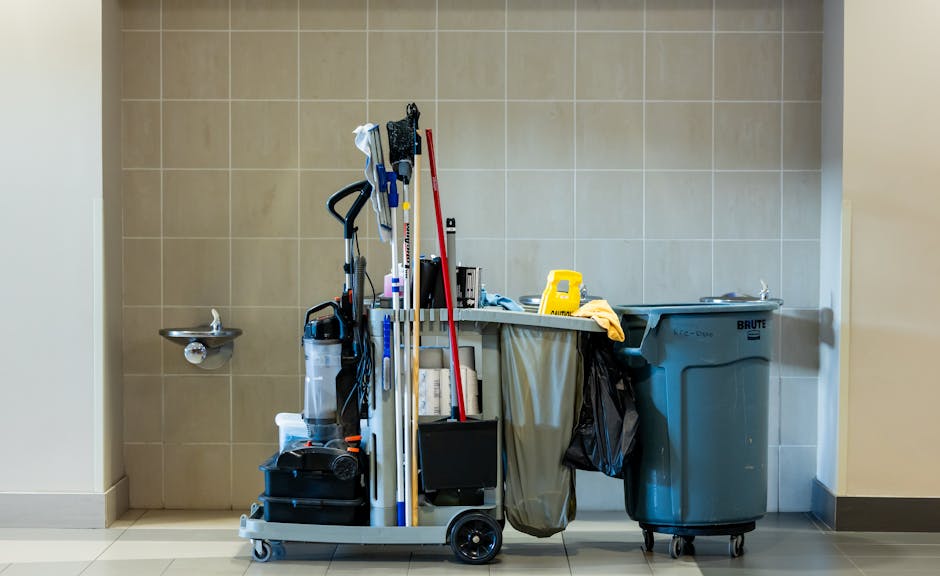
Commercial office cleaning for Edgware businesses
If you run a workplace in Edgware, you already know that a clean office is not just about appearances. It affects first impressions, staff morale, hygiene, and how smoothly the day runs. Commercial office cleaning for Edgware businesses is the practical side of keeping desks, meeting rooms, kitchens, washrooms, and shared spaces in good shape without draining your team's time or focus. And let's be honest, once an office starts to feel dusty, cluttered, or a bit stale, everyone notices.
This guide breaks down what commercial office cleaning actually involves, how it works in a real business setting, and what to look for if you are comparing providers in Edgware. You will also find a step-by-step approach, common mistakes to avoid, and a checklist you can use straight away. If you are deciding whether to bring in a professional cleaner or improve your current routine, this should make the choice a lot clearer.
Table of Contents
- Why Commercial office cleaning for Edgware businesses Matters
- How Commercial office cleaning for Edgware businesses Works
- Key Benefits and Practical Advantages
- Who This Is For and When It Makes Sense
- Step-by-Step Guidance
- Expert Tips for Better Results
- Common Mistakes to Avoid
- Tools, Resources and Recommendations
- Law, Compliance, Standards, or Best Practice
- Options, Methods, or Comparison Table
- Case Study or Real-World Example
- Practical Checklist
- Conclusion
- Frequently Asked Questions
Why Commercial office cleaning for Edgware businesses Matters
Office cleaning is one of those things people only notice when it goes wrong. A sticky kitchen counter, a faint smell from the bins, dust around monitors, or fingerprints on glass can quietly change how a workplace feels. In Edgware, where many businesses serve clients locally and some operate with steady footfall, that first impression matters more than most owners would like to admit.
Commercial office cleaning is not just a cosmetic task. It supports a healthier working environment, reduces the build-up of dirt in high-traffic areas, and helps your premises feel organised rather than rushed. If a client walks in at 9:05 on a damp London morning and sees a tidy reception, clean flooring, and no overfilled bins, the whole business comes across differently. Simple as that.
There is also the practical side. Regular cleaning can help extend the life of office furniture, carpets, and soft furnishings. Dust and grit may seem minor, but over time they wear surfaces down. Shared kitchens and washrooms are another matter entirely. These areas need reliable attention because they affect morale, hygiene, and how comfortable people feel using the space.
For businesses in Edgware, the local rhythm matters too. Some offices are busy early and quiet late. Others need cleaning outside opening hours to avoid disruption. That kind of flexibility is often the difference between a service that fits and one that becomes a nuisance. Truth be told, nobody wants cleaners stepping around staff at the exact moment a meeting is starting.
How Commercial office cleaning for Edgware businesses Works
Commercial office cleaning is usually built around a repeatable routine. The cleaner or cleaning team assesses the premises, agrees the schedule, and then carries out regular tasks based on the needs of the office. That may be daily, several times a week, weekly, or a mix of routine visits and periodic deep cleaning.
A proper setup usually begins with a site visit or a detailed conversation. This is where the cleaner learns what kind of office you have, how many people use it, which areas are high priority, and whether there are any access issues. A small accountancy office and a shared workspace with multiple kitchens are not the same thing, obviously, so the plan should not be the same either.
Typical office cleaning tasks include:
- vacuuming carpets and matting
- mopping hard floors
- dusting desks, ledges, and accessible surfaces
- cleaning meeting rooms and reception areas
- wiping communal touchpoints such as handles and switches
- emptying bins and replacing liners
- sanitising kitchens and washrooms
- spot-cleaning glass and interior partitions
- reporting maintenance issues or supplies running low
Some businesses also ask for specialist support such as carpet cleaning, upholstery care, or stain removal when wear starts to show. If the office has fabric chairs, entrance mats, or a reception carpet that gets heavy use, this extra layer of care can make a visible difference. For that sort of work, many firms combine their routine plan with commercial carpet cleaning and periodic steam carpet cleaning to keep floors fresher for longer.
The best office cleaning service works quietly in the background. The office should look and feel ready before staff arrive or after they leave, not during the middle of the day. That sounds obvious, but a lot of problems start when the schedule is awkward, the scope is vague, or no one has agreed what "clean" actually means.
Key Benefits and Practical Advantages
The real value of professional office cleaning is not just a tidy surface. It is the way it removes friction from the business day. Things run more smoothly when staff are not constantly dealing with crumbs, overflowing bins, or the awkward silence that follows a less-than-fresh bathroom.
- Better first impressions: Clients, suppliers, and interview candidates notice the condition of your premises immediately.
- More comfortable working conditions: Staff tend to feel more settled in a space that looks cared for.
- Reduced distraction: A clean environment is easier to focus in. Mess quietly drains attention.
- Improved hygiene: Regular cleaning helps manage germs, dust, and everyday grime in shared spaces.
- Longer-lasting fixtures and finishes: Routine care helps protect carpets, flooring, and furniture from avoidable wear.
- Fewer management headaches: If cleaning is outsourced properly, your team can focus on work instead of chores.
There is also a commercial angle that is easy to overlook. Clean offices support a more professional brand. They signal order, reliability, and care. That matters whether your business is client-facing, back-office, or somewhere in between. Even when nobody says it out loud, people tend to trust tidy places more.
Expert summary: The strongest office cleaning arrangements are the ones that fit the actual way your business works, not a generic checklist. The cleaner should understand traffic patterns, key touchpoints, and when the office is calm enough for work to continue without disruption.
Another practical advantage is consistency. A good schedule keeps small issues from turning into bigger ones. A mark on a carpet, a spill near a doorway, or dust gathering on vents is easier to manage early. Leave it too long and the job becomes more expensive, more noticeable, and frankly a bit annoying for everyone.
Who This Is For and When It Makes Sense
Commercial office cleaning makes sense for a wide range of Edgware businesses. You do not need a huge corporate headquarters to justify it. In fact, smaller offices often benefit just as much because there are fewer people available to pick up the slack.
This service is especially useful for:
- professional practices such as accountancy, legal, or consultancy offices
- shared workspaces and serviced offices
- small business units with reception areas
- medical-adjacent or appointment-based offices that need a careful presentation
- teams with kitchens, toilets, and shared meeting rooms
- offices with heavy daily footfall or customer visits
It also makes sense if your staff are spending too much time doing cleaning tasks themselves. That is a common sign the current setup is not quite right. Maybe people are taking turns emptying bins, wiping counters, or sorting out the kitchen. It works for a while. Then it just becomes one more thing on an already full plate.
You may need a more structured cleaning arrangement if you have had issues such as:
- staff complaints about cleanliness
- food smells or bin odours lingering in kitchens
- bathroom supplies running out too quickly
- dust building up around desks and equipment
- client-facing areas looking tired by midweek
- post-construction or refurb dust that keeps returning
It is also worth considering specialist cleaning if your office layout includes fabric seating, carpeted corridors, or delicate finishes that should not be treated like a standard domestic room. Office environments can be a bit mixed-up that way. One area wants quick daily attention, another needs a gentler touch.
Step-by-Step Guidance
If you are setting up office cleaning for the first time, or reviewing an old arrangement, it helps to treat it as a simple process rather than a vague purchase. Here is a clean way to approach it.
- List the areas that need cleaning. Reception, desks, meeting rooms, kitchens, toilets, corridors, storage rooms, and any specialist spaces all need separate thought.
- Decide what needs daily attention and what does not. Not every surface needs the same frequency. A front desk and a rarely used archive room are not equal priorities.
- Note any sensitive items or access rules. Think about alarms, keys, out-of-hours access, confidential paperwork, IT equipment, and locked rooms.
- Choose the cleaning standard you want. Be specific. "General clean" is too vague. Better to define what acceptable looks like.
- Set the timing. Morning, evening, or weekend cleaning can all work, depending on your operation.
- Build in periodic deep cleaning. Routine cleaning handles the everyday mess, but deeper tasks are still needed from time to time.
- Review performance regularly. A quick monthly check keeps standards steady and prevents drift.
A useful tip: walk the office as if you were a visitor, not a manager. Look at the first ten seconds after entering. What do you smell? What do you see? Are the bins hidden? Are fingerprints visible on glass? That little exercise tells you a lot.
If you already have a cleaning provider, ask them for a task list in plain English. Then compare that list with what the office actually needs. Gaps often appear around kitchens, low-level dusting, and spot cleaning on door frames or skirting. Oddly enough, those are the places people notice most when they are missed.
Expert Tips for Better Results
There are a few habits that consistently improve office cleaning results, and none of them are complicated.
First, separate routine cleaning from seasonal deep cleaning. Routine service keeps the office presentable. Deep cleaning handles the build-up that normal rounds do not reach. If you blur the two together, standards usually slide.
Second, protect the high-touch zones. Light switches, handles, lift buttons, kitchen taps, and desk edges see constant contact. These are the parts that quietly shape how clean a place feels.
Third, communicate changes early. If your business is expecting more visitors, moving desks, or having building work done, tell the cleaner before the problem lands. It saves time and a fair bit of backtracking.
Fourth, choose the right products for the surface. It sounds boring, I know. But the wrong chemical on the wrong finish can dull surfaces, damage upholstery, or leave residues. Not ideal.
Fifth, ask for evidence of insurance and a clear service agreement. That gives you confidence around access, responsibility, and what happens if something goes wrong.
One small but useful habit is to keep a cleaning log or simple feedback note. It does not need to be fancy. A short weekly note about areas that need more attention is often enough to improve consistency. The cleaner gets better information, and you get fewer surprises. Everyone wins, more or less.
If your office has carpets, fabric seating, or shared reception furniture, a combination of routine cleaning and periodic specialist treatment can be very effective. For example, many businesses pair everyday office cleaning with targeted upholstery cleaning or sofa cleaning to keep waiting areas looking sharp without replacing furniture too soon.
Common Mistakes to Avoid
Most cleaning problems are not dramatic. They are small decisions that slowly turn into bigger frustrations. The good news is that they are easy to avoid once you know what to watch for.
- Being too vague about the scope: If you do not define tasks clearly, assumptions creep in. That is where disappointment starts.
- Focusing only on price: The cheapest service can become expensive if standards are poor or tasks are missed.
- Ignoring access and security: Key handling, alarm codes, and out-of-hours entry need proper control.
- Skipping deep cleaning: Routine work alone is not enough for carpets, upholstery, and neglected corners.
- Forgetting shared areas: Offices often look okay at the desks but tired in the kitchen or washroom.
- Not reviewing performance: If no one checks the work, small issues drift on for months.
Another common issue is underestimating how much wear the entrance and communal areas take. In a busy Edgware office, mats, door handles, and reception floors can collect dirt surprisingly quickly, especially in wet weather. You will notice it most after lunchtime, when the place has had a full morning of traffic and a few muddy shoes. London does that.
A final mistake? Expecting a cleaner to fix management problems. Cleaning can support a healthier, more orderly office, but it is not a substitute for good waste habits, basic staff cooperation, or a sensible layout. A bin hidden behind a printer tends to be ignored for a reason.
Tools, Resources and Recommendations
You do not need a warehouse full of equipment to keep an office in good order, but the right tools do matter. A professional service usually brings commercial-grade products and methods that are more effective than casual domestic cleaning gear.
Useful items and approaches commonly include:
- microfibre cloths for dust and surface wiping
- vacuum cleaners with suitable filters for office floors
- neutral floor cleaners for hard surfaces
- safe, clearly labelled washroom and kitchen cleaning products
- dedicated cloths for different zones to reduce cross-contamination
- spot-treatment solutions for stains and marks
- spill kits for quick response to accidents
If you are choosing a provider, it helps to ask how they handle specialist jobs such as stain removal or periodic carpet care. A cleaner who understands the difference between everyday maintenance and restoration-style work will usually give you better long-term value. For tougher floor care, services like stain removal and carpet cleaning can be useful additions when needed.
For businesses that are trying to reduce waste or improve sustainability, it is sensible to ask what products are used and how waste is handled. Some offices prefer lower-impact products, reusable cloth systems, or more careful sorting of recyclable waste. If that matters to your business, a provider with a clear approach to recycling and sustainability can be a better fit.
When in doubt, keep the process straightforward. The best cleaning system is the one your team can understand, your provider can deliver consistently, and your office can actually live with.
Law, Compliance, Standards, or Best Practice
Commercial cleaning touches health, safety, and security, so it should be handled with care. While the exact responsibilities vary by premises and contract, businesses are generally expected to manage risks sensibly and keep the workplace reasonably safe for employees, visitors, and contractors.
In practice, that usually means checking that the cleaning provider has appropriate insurance, follows safe working methods, and understands how to work around office equipment, cables, confidential materials, and restricted access areas. A clear health and safety process is not overkill; it is basic professionalism. If a company can explain its approach plainly, that is usually a good sign.
It is also wise to think about the handling of cleaning products, lone working, and slip risks. Wet floors, recently polished surfaces, and cleaning near entrances can all create hazards if they are not managed properly. Signs, timing, and sensible procedures matter more than people sometimes expect.
Best practice also includes:
- documented cleaning schedules
- clear lines of responsibility
- safe storage of products and equipment
- staff awareness around confidential paperwork and personal items
- practical reporting for problems, damage, or access issues
If you are reviewing a provider, look for transparent policies rather than vague reassurance. Pages such as health and safety policy, insurance and safety, terms and conditions, and payment and security can help you understand how the business operates before you commit.
There is no need to overcomplicate this. Just make sure the cleaning arrangement is sensible, documented, and suited to the actual workplace. That is usually enough to keep everyone comfortable and reduce avoidable risk.
Options, Methods, or Comparison Table
Different offices need different levels of support. The right choice depends on how busy the space is, what type of visitors you have, and how much wear and tear the premises see each week. Here is a simple comparison to make the options easier to weigh up.
| Approach | Best for | Strengths | Limitations |
|---|---|---|---|
| Daily routine cleaning | Busy offices, reception areas, shared kitchens | Keeps standards high and prevents build-up | Needs a clear scope and consistent scheduling |
| Weekly cleaning | Smaller offices with lower footfall | More affordable and simple to manage | May not be enough for high-traffic spaces |
| Routine plus periodic deep cleaning | Most professional offices | Balances everyday presentation with longer-term upkeep | Requires good coordination and planning |
| Specialist spot treatment | Carpets, fabric furniture, stains, odours | Targets visible problems without replacing items | Not a substitute for proper routine cleaning |
For many Edgware businesses, the strongest setup is a blended one. Routine cleaning handles the daily reality, while occasional specialist work handles the trouble spots. It is a bit like caring for a suit: you brush it regularly, but you still send it for proper attention when it needs more than a quick once-over.
Some businesses also ask for add-on services for heavier-use items. If your office includes meeting-room curtains, soft seating, or a waiting area that sees a lot of visitors, you may find services like curtain cleaning and rug cleaning helpful for keeping the whole space looking consistent.
Case Study or Real-World Example
A small professional office in Edgware had a simple but frustrating problem. The desks looked fine most mornings, yet the kitchen and entrance area kept slipping into that half-clean, half-tired look by the end of the week. Staff were taking turns doing bits and pieces, but no one felt responsible for the whole picture. Classic case, really.
The business moved to a structured cleaning plan with clear priorities: reception and entrance floors every visit, kitchen and washroom cleaning on every round, light dusting in shared areas, and periodic attention to carpeted walkways. They also agreed that the cleaner would flag any spillages or maintenance issues rather than just working around them.
Within a few weeks, the office felt easier to walk into. The bins were under control, the kitchen smelled fresher, and staff stopped arguing over who had last cleaned the microwave. A small thing on paper, but in daily life it made the office feel calmer. Not magical. Just better.
The key lesson was not that the office needed more cleaning for the sake of it. It needed a clearer system. Once that was in place, the team could focus on work again instead of side-stepping mess or quietly resenting the kitchen rota.
Practical Checklist
Use this checklist when reviewing or setting up office cleaning for your Edgware premises.
- Have you listed all spaces that need cleaning, including shared areas?
- Is it clear which tasks are daily, weekly, and periodic?
- Have you agreed access arrangements, alarms, and key control?
- Do you know who is responsible for feedback and issue reporting?
- Are washrooms and kitchens included in the schedule, not assumed?
- Have you checked whether specialist carpet or upholstery care is needed?
- Is there a plan for stain treatment, spill response, and deep cleaning?
- Have you reviewed insurance, health and safety, and service terms?
- Does the cleaning schedule fit your opening hours and staff movements?
- Will you review the service after the first few weeks and then regularly?
If you can tick most of those off, you are in good shape. If a few are missing, that is fine too. Better to spot the gaps now than after the office has already drifted into "we should probably sort that out" territory.
Get a free quote today and see how much you can save.
Conclusion
Commercial office cleaning for Edgware businesses is not just about keeping a space presentable. It is about creating a workplace that feels organised, hygienic, and easy to trust. When the cleaning plan fits the way your office actually operates, the benefits show up everywhere: fewer distractions, better first impressions, and a calmer day-to-day rhythm.
The smartest approach is usually the simplest one. Know what needs cleaning, agree the standard, schedule it properly, and review it often enough to catch issues early. From there, the office starts working with you instead of against you. And that, to be fair, makes a bigger difference than people expect.
Choose carefully, keep it practical, and let your workspace do a little quiet work for your reputation every single day.
Frequently Asked Questions
What does commercial office cleaning usually include?
It normally includes vacuuming, mopping, dusting, bin emptying, washroom cleaning, kitchen cleaning, and wiping common touchpoints. Some offices also add carpet care, upholstery cleaning, or glass cleaning depending on the layout.
How often should an office in Edgware be cleaned?
That depends on footfall and the type of work you do. Busy offices usually need daily cleaning, while smaller or quieter offices may manage with a few visits each week. Shared kitchens and washrooms often need the most frequent attention.
Is commercial office cleaning different from domestic cleaning?
Yes. Office cleaning usually involves different schedules, more shared surfaces, higher footfall, and additional practical concerns like access control, business hours, and confidential spaces.
How do I know what level of cleaning my business needs?
Start by looking at how many people use the space, how often clients visit, and which areas get dirty fastest. Reception, kitchens, and washrooms often need more attention than meeting rooms or storage spaces.
Do cleaners work out of hours?
Very often, yes. Out-of-hours cleaning is common because it avoids disruption and keeps offices ready for the next working day. Early mornings, evenings, and weekends are all typical depending on the business.
Should I ask about insurance before hiring a cleaner?
Absolutely. Insurance and safety procedures matter in commercial settings, especially where keys, alarms, equipment, or visitor areas are involved. It is a sensible question, not an awkward one.
What should be included in a cleaning checklist?
A good checklist should cover all key spaces, specify tasks by frequency, and include any special requirements such as stain treatment, deep cleaning, or waste handling. It should be clear enough that both sides know what "done" looks like.
Can commercial office cleaning help with carpet wear?
Yes. Regular vacuuming and periodic deeper treatment can reduce the build-up of grit and help carpets last longer. Offices with heavy foot traffic often benefit from scheduled carpet care alongside routine cleaning.
How do I compare cleaning quotes fairly?
Compare the scope of work, not just the number. Look at what is included, how often visits happen, what products are used, and whether specialist tasks or call-outs are extra. A lower quote can look good until you notice what is missing.
What if the cleaning standard drops after a few weeks?
Raise it early and specifically. Point out the areas that need attention and ask for the schedule to be reviewed. A good provider will want that feedback because it helps keep the service consistent.
Are there sustainability options for office cleaning?
Yes, many businesses now ask about lower-impact products, waste handling, and recycling practices. If sustainability matters to your office, it is worth discussing up front rather than as an afterthought.
Where can I learn more before booking a service?
It helps to review service pages, policies, and pricing information so you understand how the business operates. A provider's about us, pricing and quotes, and contact us pages can be useful starting points, especially when you want to check whether the service fits your office properly.